
Medically Reviewed By
Dr. Rabih Wassel, MBBS, BSc, MSc, MRCS, MRCGP
Chief Medical Officer
NAD+ Injections: A Complete Guide to Benefits, Science & What to Expect
Nicotinamide adenine dinucleotide (NAD+) is one of the most talked-about molecules in wellness and longevity science. Here's what the evidence actually says — and how NAD+ therapy works at our clinic.
What is NAD+?
NAD+ (nicotinamide adenine dinucleotide) is a coenzyme found in every living cell. It plays a critical role in hundreds of metabolic processes, including:
- Energy production — NAD+ is essential for mitochondrial function, the process by which your cells convert food into usable energy (ATP)
- DNA repair — it activates enzymes called PARPs that fix damaged DNA strands
- Sirtuin activation — NAD+ fuels sirtuins, a family of proteins involved in ageing, inflammation, and stress resistance
- Cellular signalling — it helps regulate circadian rhythms, immune responses, and gene expression
Think of NAD+ as your cells' fuel currency. Without adequate levels, cellular processes slow down — and that has knock-on effects for energy, metabolism, cognitive function, and recovery.
Why NAD+ levels decline with age
Research published in journals including Nature Aging and Cell Metabolism has shown that NAD+ levels can decline by up to 50% between the ages of 40 and 60. This decline is driven by several factors:
- Increased activity of CD38, an enzyme that consumes NAD+
- Chronic low-grade inflammation (often called "inflammageing")
- Reduced production of NAD+ precursors in the body
- Accumulated DNA damage requiring more PARP activity
This age-related decline is thought to contribute to reduced energy, slower metabolism, impaired recovery, and increased vulnerability to age-related conditions. It's one reason why NAD+ replenishment has become a focus of longevity research.
How NAD+ injections work
NAD+ injections deliver the coenzyme directly into the body via subcutaneous or intramuscular injection, bypassing the digestive system entirely. This is significant because oral NAD+ supplements are largely broken down in the gut before reaching cells.
Injectable NAD+ aims to restore declining levels more efficiently than oral supplementation. The body then uses the NAD+ (or converts it via salvage pathways) to support the metabolic processes described above.
Important: NAD+ injections are not licensed medicines in the UK. They are supplied as "specials" via MHRA-licensed pharmacies on a prescriber's order. We are transparent about the current evidence base and always provide full informed consent before treatment.
Potential benefits of NAD+ therapy
Based on preclinical research and early clinical data, NAD+ therapy may support:
Energy & Vitality
By supporting mitochondrial function, NAD+ may help combat fatigue and improve cellular energy production
Metabolic Support
NAD+ activates sirtuins involved in fat metabolism and insulin sensitivity
Cognitive Function
Animal studies suggest NAD+ replenishment may support brain health and neuroprotection
Healthy Ageing
NAD+ supports DNA repair and sirtuin activity — both central to the biology of ageing
What the research says
Let's be upfront: NAD+ therapy is an emerging field. Here's where the science currently stands:
Strong preclinical evidence: Animal studies have consistently shown that boosting NAD+ levels improves mitochondrial health, exercise performance, insulin sensitivity, and lifespan in worms and mice (published in Cell, Science, and Nature).
Growing human data: A 2025 systematic review in Nature Metabolism confirmed that NAD+ precursors (NR and NMN) successfully raise NAD+ levels in humans and show anti-inflammatory gene signatures in skeletal muscle. However, functional outcomes (energy, exercise capacity) remain mixed across studies.
Injectable NAD+ specifically: Fewer clinical trials exist for injectable NAD+ compared to oral precursors. A May 2026 NPR investigation noted that IV NAD+ infusions may actually be "inefficient" at getting NAD+ into cells, though subcutaneous injection may behave differently. More research is needed.
Our position: We believe NAD+ therapy shows genuine promise based on robust preclinical data and encouraging early human results. However, we do not claim it is a proven treatment for any specific medical condition. We present the evidence honestly and let patients make informed decisions.
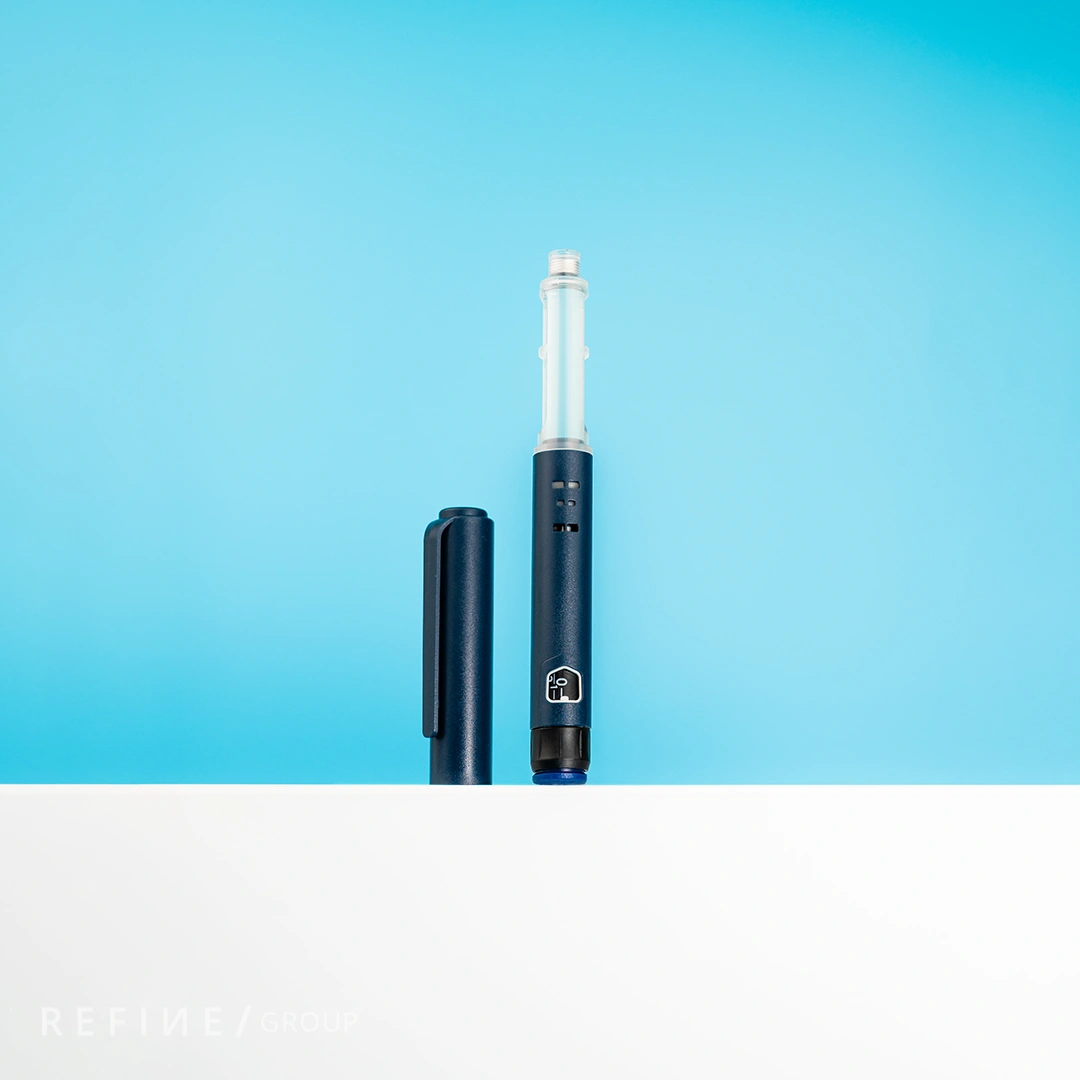
The NAD+ injection pen
At The London Weight Loss Clinic, we offer NAD+ via a convenient self-administration injection pen. Here's what's included:
- Pre-filled cartridges with pharmaceutical-grade NAD+ (200mg per cartridge)
- Easy-to-use pen device — similar in design to insulin pens, with adjustable dosing
- Complete starter kit including needles, alcohol swabs, and detailed instructions
- At-home convenience — no need for clinic visits or IV drip sessions
The typical protocol starts with daily injections for the first 2–4 weeks, then transitions to an every-other-day maintenance schedule. Your prescriber will tailor the protocol to your individual needs.
View our NAD+ Injection Pen in the shop →
Side effects and safety
NAD+ injections are generally well-tolerated. The most commonly reported side effects include:
- Mild injection site reactions (redness, bruising, or tenderness)
- Temporary flushing or warmth
- Mild nausea (usually transient)
- Occasional headache
Serious adverse events are rare but, as with any injection therapy, there are theoretical risks including infection at the injection site. We provide full safety guidance and are available to answer questions throughout your treatment.
NAD+ therapy may not be suitable if you are pregnant or breastfeeding, have active cancer, or have a known allergy to NAD+ or its components. We conduct a full medical review before prescribing.
Who is NAD+ therapy for?
NAD+ therapy may be of interest if you're experiencing:
- Persistent low energy or fatigue that doesn't improve with sleep and diet changes
- Cognitive sluggishness or "brain fog"
- Interest in proactive longevity and healthy ageing strategies
- Slow recovery from exercise or illness
- A desire to complement your GLP-1 weight loss treatment with metabolic support
It's important to note that NAD+ is not a substitute for a healthy lifestyle. It works best as part of a comprehensive approach that includes good nutrition, regular exercise, adequate sleep, and — where appropriate — evidence-based weight loss treatment.
NAD+ at The London Weight Loss Clinic
We introduced NAD+ therapy because many of our patients — particularly those on GLP-1 medications — were asking about additional support for energy, recovery, and overall wellness. Our approach is:
- Evidence-informed: We present the current research honestly, including its limitations
- Prescriber-led: NAD+ is only supplied following a medical consultation and review
- Convenient: Our injection pen allows at-home administration without IV drip clinic visits
- Integrated: NAD+ can complement our Mounjaro, Wegovy, and nutritional support programmes
Dr. Rabih Wassel
Chief Medical Officer • MBBS, BSc, MSc, MRCS, MRCGP
Dr. Rabih Wassel is a board-certified physician specialising in obesity medicine with over 15 years of experience in weight management and metabolic health.
Related Articles

NAD+ and Weight Management: What You Need to Know
Explore how NAD+ may support your weight loss journey alongside GLP-1 treatment.
NAD+ for Energy and Healthy Ageing
How NAD+ supports cellular energy production and healthy ageing.

Vitamins and Supplements on GLP-1 Medications
Essential nutrition guidance for GLP-1 users.