
Social Events & Special Occasions: Staying on Track with GLP-1s
Navigate holidays, parties, weddings, and family gatherings while staying committed to your weight loss goals. Practical strategies for handling social pressure and making confident choices.
Mindset & Preparation
Success at social events begins with reframing your mindset. Remember that celebrations are about connection, not consumption. Your presence and engagement matter far more than what's on your plate.
Before attending, visualize yourself making confident choices, declining foods gracefully, and enjoying conversation more than eating. This mental rehearsal prepares you for real situations.
Set clear intentions: Success means feeling comfortable during and after the event, making conscious choices, and maintaining your health commitments—not matching others' eating or finishing your plate.
Strategies During Events
Start with water and conversation before approaching food tables. This "buffer strategy" prevents decision-making driven by hunger and creates space for mindful choices.
Use the single plate rule: Fill one reasonably sized plate with smaller portions of multiple items. Position yourself away from buffet tables when not actively eating to reduce mindless grazing.
Eat slowly, putting your fork down between bites. Check in regularly with your body's hunger signals and stop at satisfied, not full. Remember, you can take food home if appropriate.
Handling Social Pressure
Prepare responses for common comments: "You're not eating much!" → "I'm satisfied! This is perfect for me." "Come on, it's a special occasion!" → "It is special, and I'm enjoying the company!"
You never owe anyone an explanation. "No thank you" is a complete sentence. For persistent food pushers, use the broken record technique: politely decline, don't elaborate, and immediately change the subject.
If questions about your eating habits arise, share only what feels comfortable: "I'm working with my doctor on my health" or "I'm listening to my body these days." Deflect and redirect conversation to others.
Special Occasion Types
Weddings: Take small portions of each course or skip courses entirely. Focus on celebration and dancing more than eating. Have an exit strategy for overly long receptions.
Holiday dinners: Offer to bring a protein-rich dish you know you can eat. Take very small portions, eat slowly, and focus on gratitude and connection rather than consumption.
Birthday parties: You don't need cake to celebrate. "I'm too full, but it looks delicious!" is perfectly acceptable. If it's your birthday, celebrate however feels right to you.
Recovery from Overindulgence
If you overeat, practice self-compassion immediately. One occasion doesn't undo your progress. Stay hydrated, take a gentle walk, don't skip your next medication dose, and return to normal eating at your next meal.
Avoid the "all or nothing" trap of thinking you've already "messed up" so you might as well continue. Focus on the next choice, not the last one. Weight loss is about overall patterns, not individual meals.
Reflect without judgment: What triggered overeating? What would you do differently? What worked well? Use these insights to prepare for the next event, building confidence with each experience.

Coach Amy Lilburn
Weight Loss Coach • ACE-CPT, Wellness Coach
Amy Lilburn is a certified personal trainer and wellness coach who has helped hundreds of patients navigate their weight loss journeys with compassion and expertise.
Related Articles
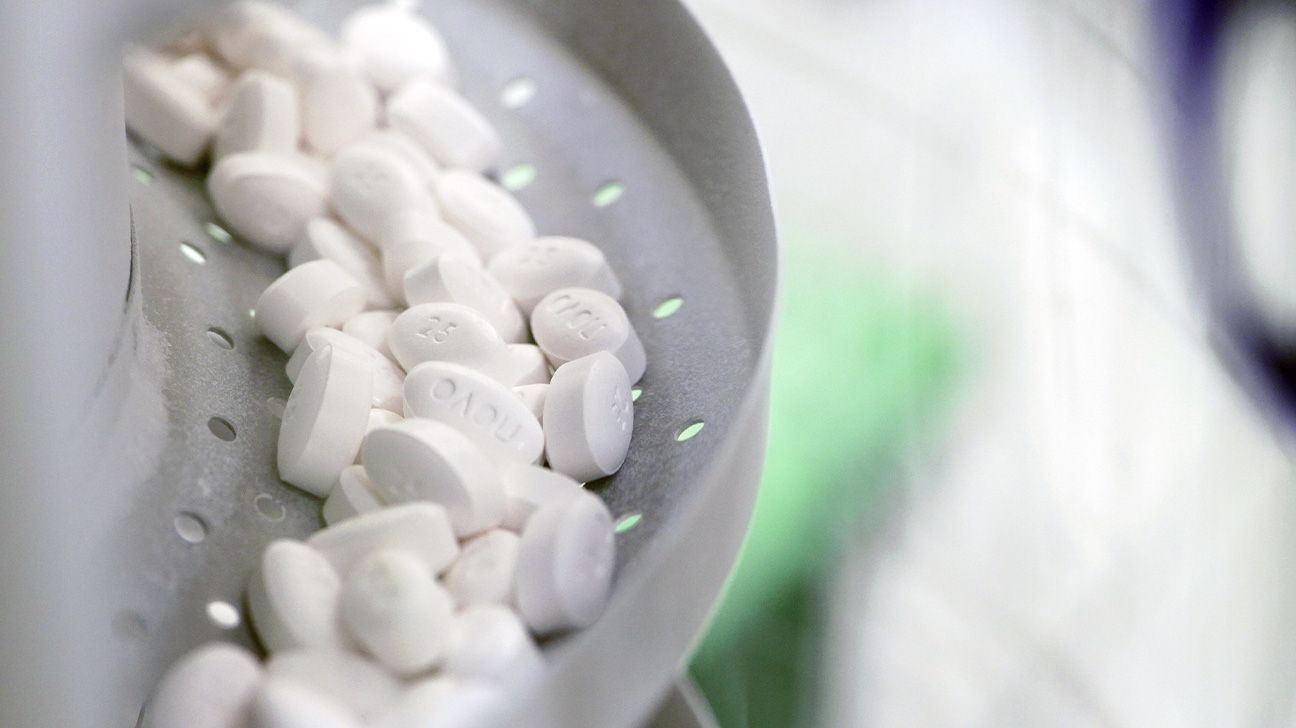
The Wegovy Pill: Everything You Need to Know About Oral Semaglutide for Weight Loss
Dr Wassel explains the new Wegovy Pill (oral semaglutide) — how it works, clinical trial results, dosing, side effects, and how it compares to Wegovy injections. MHRA-approved 2026.
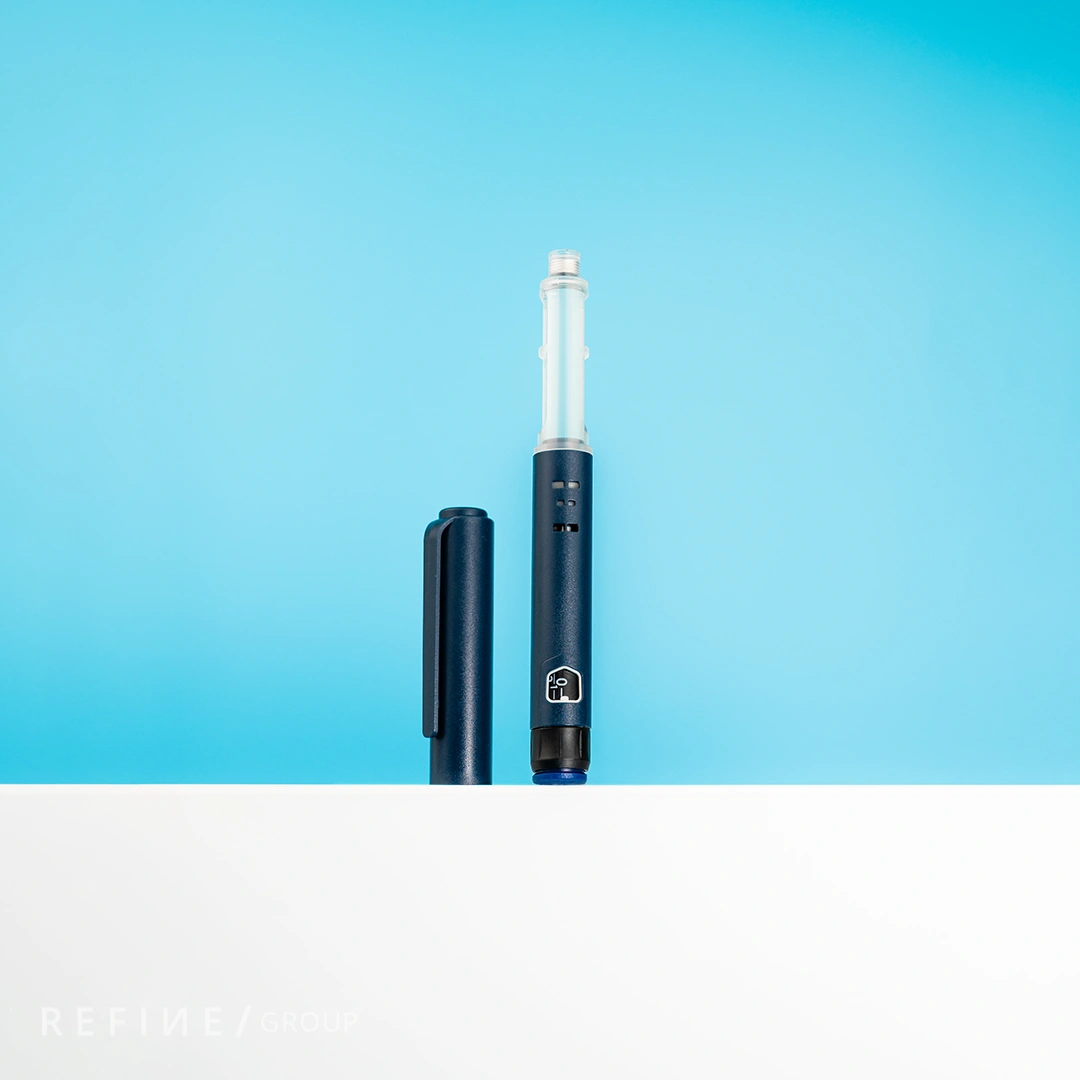
NAD+ Injections: A Complete Guide to Benefits, Science & What to Expect
Everything you need to know about NAD+ injections in the UK — the science, potential benefits for energy and metabolism, side effects, and what to expect from treatment.

NAD+ and Weight Management: Can It Support Your Weight Loss Journey?
How NAD+ therapy may support weight management through improved metabolism, energy production, and fat oxidation — and how it complements GLP-1 treatments.