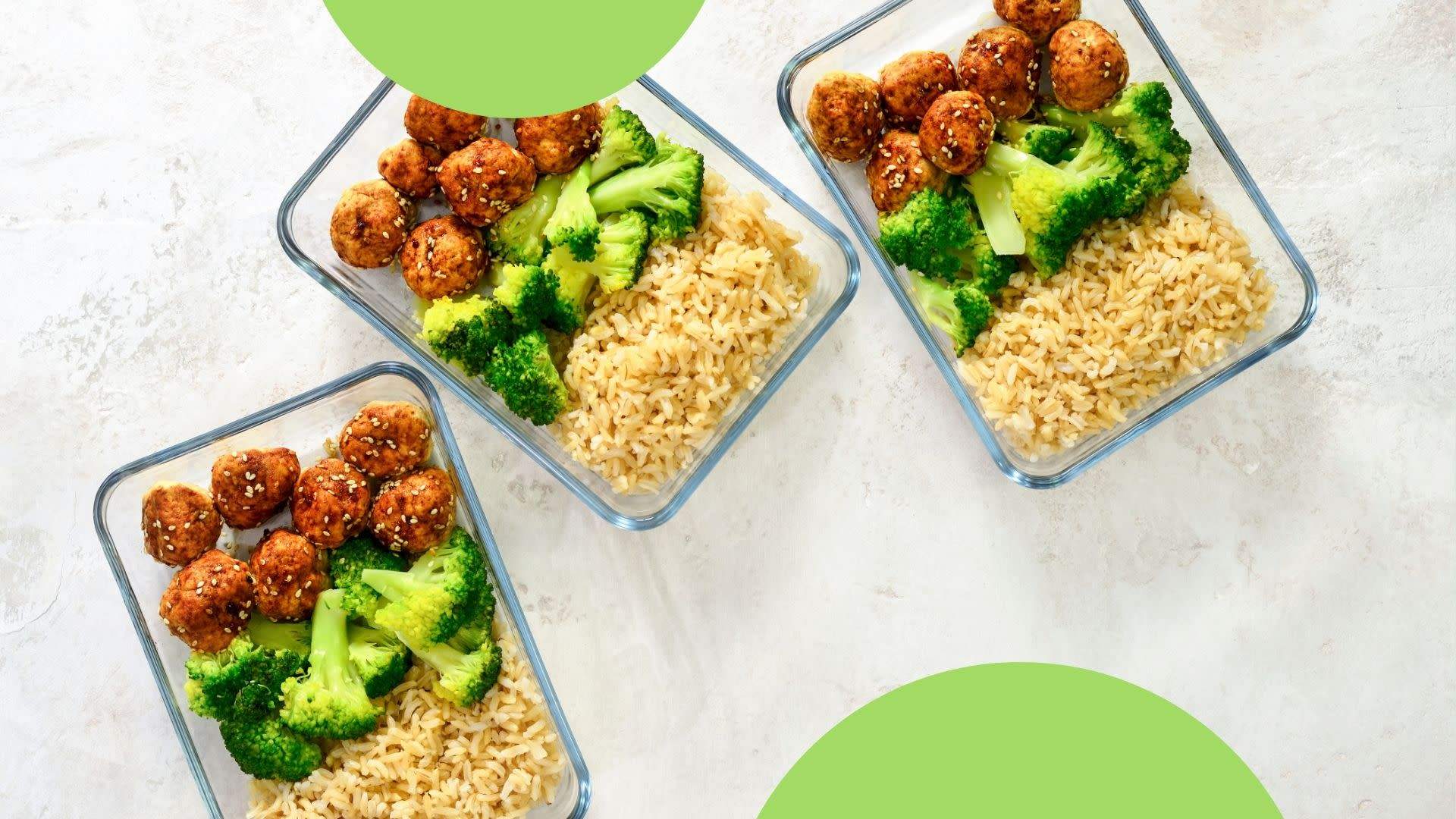
Meal Prep for GLP-1 Success: Weekly Planning Strategies
Simplify your nutrition with strategic meal prep. Get protein-focused recipes, portion guidance, batch cooking tips, and shopping lists designed for GLP-1 medication success.
Benefits of Meal Prep
Meal prep is especially valuable on GLP-1s because appetite is unpredictable. Having prepared meals ready prevents decision fatigue when you do feel hungry, ensures adequate protein intake, reduces reliance on high-fat convenience foods, and saves money.
With reduced appetite, you may struggle to meet protein needs. Meal prep ensures you have protein-rich, portion-appropriate options readily available when you're able to eat.
Time investment: 2-3 hours weekly provides meals for 5-7 days. This is less time than daily cooking and significantly less expensive than takeaway while aligning perfectly with GLP-1 nutritional needs.
Protein-Focused Meal Ideas
Aim for 25-35g protein per meal. Easy meal prep options: grilled chicken breast with roasted vegetables (35g protein), salmon with quinoa and broccoli (30g protein), turkey meatballs with marinara sauce (28g protein).
Breakfast options: Greek yogurt parfait with berries and nuts (20g protein), egg muffins with vegetables and cheese (15g protein per 2 muffins), protein smoothie packs ready to blend (25g protein).
Snack ideas that prep well: hard-boiled eggs (6g protein each), string cheese (7g protein), turkey roll-ups with cucumber (10g protein), protein balls made with oats and protein powder (8g each).
Weekly Planning Strategy
Sunday afternoon is ideal meal prep time. Start by planning your week: identify busy days needing grab-and-go meals, social events where you'll eat out, and days when you can cook fresh meals.
Create a simple meal matrix: 3 different proteins, 4 different vegetables, 2 different complex carbs. Mix and match to create variety without overwhelming yourself. Batch cook each component.
Prep levels: Beginner (3-4 meals), Intermediate (5-7 meals plus snacks), Advanced (all meals plus snacks). Start small and build. Even prepping lunches only is beneficial.
Batch Cooking Tips
Cook proteins simultaneously: bake chicken in oven while grilling salmon on stovetop and cooking ground turkey in another pan. Roast multiple sheet pans of vegetables at once using different oven racks.
Use time-saving tools: slow cooker for pulled chicken or beef (set and forget), instant pot for quick beans and grains (20 minutes), rice cooker for perfect grains every time, food processor for chopping vegetables quickly.
Storage best practices: glass containers for reheating, portion containers (2-3 cup size ideal), label everything with contents and date, store proteins separately from vegetables (better texture), freeze extras for week 2.
Essential Shopping Lists
Proteins: chicken breast, turkey mince, salmon fillets, lean beef, eggs, Greek yogurt, cottage cheese, protein powder, tinned tuna. Buy what's on sale and adjust your menu accordingly.
Vegetables: broccoli, cauliflower, bell peppers, courgette, asparagus, green beans, spinach, kale, tomatoes, mushrooms. Choose a mix of colors for nutrient variety and visual appeal.
Pantry staples: quinoa, brown rice, oats, olive oil, low-sodium soy sauce, herbs and spices (garlic powder, paprika, Italian seasoning), stock (chicken/vegetable), tinned tomatoes, beans, nut butter. These create flavor without adding unhealthy fats.

Sophie Hartwell
Lead Nutritionist • RD, MSc
Sophie Hartwell is a registered dietitian with a master's degree in clinical nutrition, specialising in nutritional support for weight loss medication users.
Related Articles
The Wegovy Pill: Everything You Need to Know About Oral Semaglutide for Weight Loss
Dr Wassel explains the new Wegovy Pill (oral semaglutide) — how it works, clinical trial results, dosing, side effects, and how it compares to Wegovy injections. MHRA-approved 2026.

NAD+ Injections: A Complete Guide to Benefits, Science & What to Expect
Everything you need to know about NAD+ injections in the UK — the science, potential benefits for energy and metabolism, side effects, and what to expect from treatment.

NAD+ and Weight Management: Can It Support Your Weight Loss Journey?
How NAD+ therapy may support weight management through improved metabolism, energy production, and fat oxidation — and how it complements GLP-1 treatments.