
Managing Work Stress While on GLP-1 Medications
Work stress doesn\'t have to derail your weight loss. Discover strategies for managing workplace eating triggers, business travel challenges, and maintaining healthy habits during busy workdays.
Workplace Eating Triggers
Workplace stress triggers emotional eating for many people. Common triggers: deadline pressure, difficult colleagues, boring tasks, long meetings, celebration cakes, vending machines, and free snacks in break rooms.
GLP-1 medications reduce hunger-driven eating, but emotional and habitual eating still occur. Identifying your specific triggers is the first step to managing them effectively.
Track for one week: when you feel urge to eat at work, what you're doing at that moment, your emotional state, and whether you're physically hungry. Patterns will emerge showing your unique triggers.
Building Healthy Work Habits
Bring lunch from home: controls portions, ensures protein, saves money, and removes decision-making when stressed. Prep on Sundays for the whole week. Keep emergency protein snacks in your desk drawer.
Establish eating boundaries: designated lunch break away from desk, no eating during meetings, scheduled snack times (mid-morning, mid-afternoon), and separate "hunger" from "boredom/stress."
Alternative stress relievers: 5-minute walk outside, desk stretches, deep breathing exercises, quick phone call to friend, listening to music, brief meditation, or tackling a small non-work task. Find what works for you.
Managing Business Travel
Business travel disrupts routine and increases stress eating. Plan ahead: pack medication properly (see travelling guide), research restaurant options near hotel, bring protein snacks for flights/car journeys.
Hotel strategies: request mini-fridge for breakfast items (Greek yogurt, hard-boiled eggs), scout hotel gym or walking routes, identify healthy restaurant options within walking distance, maintain medication schedule.
Business meals: review menus in advance when possible, don't arrive ravenously hungry, order first to avoid peer pressure, ask for modifications confidently, focus on conversation not consumption, decline alcohol if it increases appetite.
Stress Management Techniques
Chronic work stress undermines weight loss efforts. Effective techniques: daily 10-minute meditation (apps like Headspace, Calm), regular exercise (even 20-minute walks), adequate sleep (7-9 hours), and clear work-life boundaries.
During high-stress periods, self-care becomes even more important, not less. Maintain medication schedule strictly, prepare simple meals in advance, communicate needs to family/household, and seek support when needed.
When work stress feels overwhelming: talk to your supervisor about workload, consider professional counseling, evaluate whether the job aligns with your values, and remember that no job is worth sacrificing your health.
Workplace Disclosure Considerations
You're not required to disclose GLP-1 treatment to employers or colleagues. This is protected medical information. However, selective disclosure to trusted colleagues can reduce social pressure and awkward questions.
If you choose to disclose: share only with people you trust, keep it simple ("I'm working with my doctor on my health"), set boundaries ("I'd prefer not to discuss details"), and remember you can always share less, never more.
Legal protections: medical treatment is protected under privacy laws. You cannot be discriminated against for medical treatment. If you need accommodations (refrigerator access, flexible meal breaks), HR can facilitate without requiring details.
Related Articles
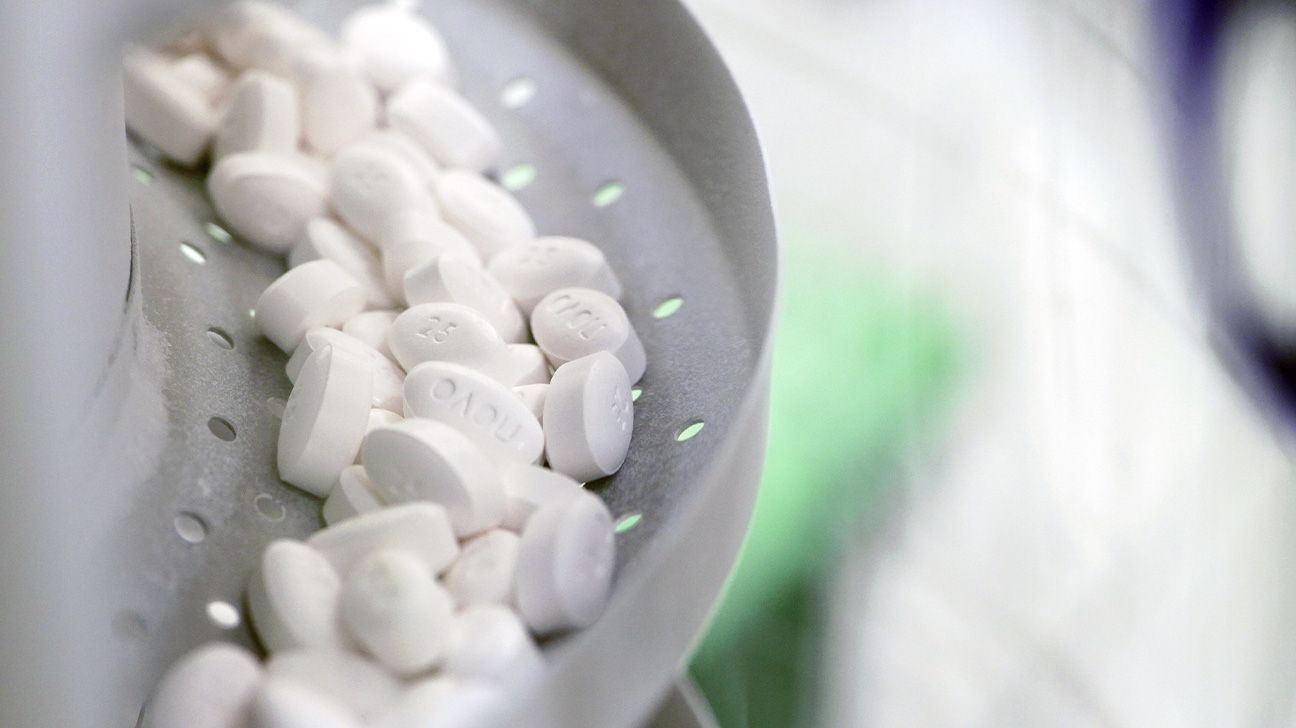
The Wegovy Pill: Everything You Need to Know About Oral Semaglutide for Weight Loss
Dr Wassel explains the new Wegovy Pill (oral semaglutide) — how it works, clinical trial results, dosing, side effects, and how it compares to Wegovy injections. MHRA-approved 2026.

NAD+ Injections: A Complete Guide to Benefits, Science & What to Expect
Everything you need to know about NAD+ injections in the UK — the science, potential benefits for energy and metabolism, side effects, and what to expect from treatment.

NAD+ and Weight Management: Can It Support Your Weight Loss Journey?
How NAD+ therapy may support weight management through improved metabolism, energy production, and fat oxidation — and how it complements GLP-1 treatments.