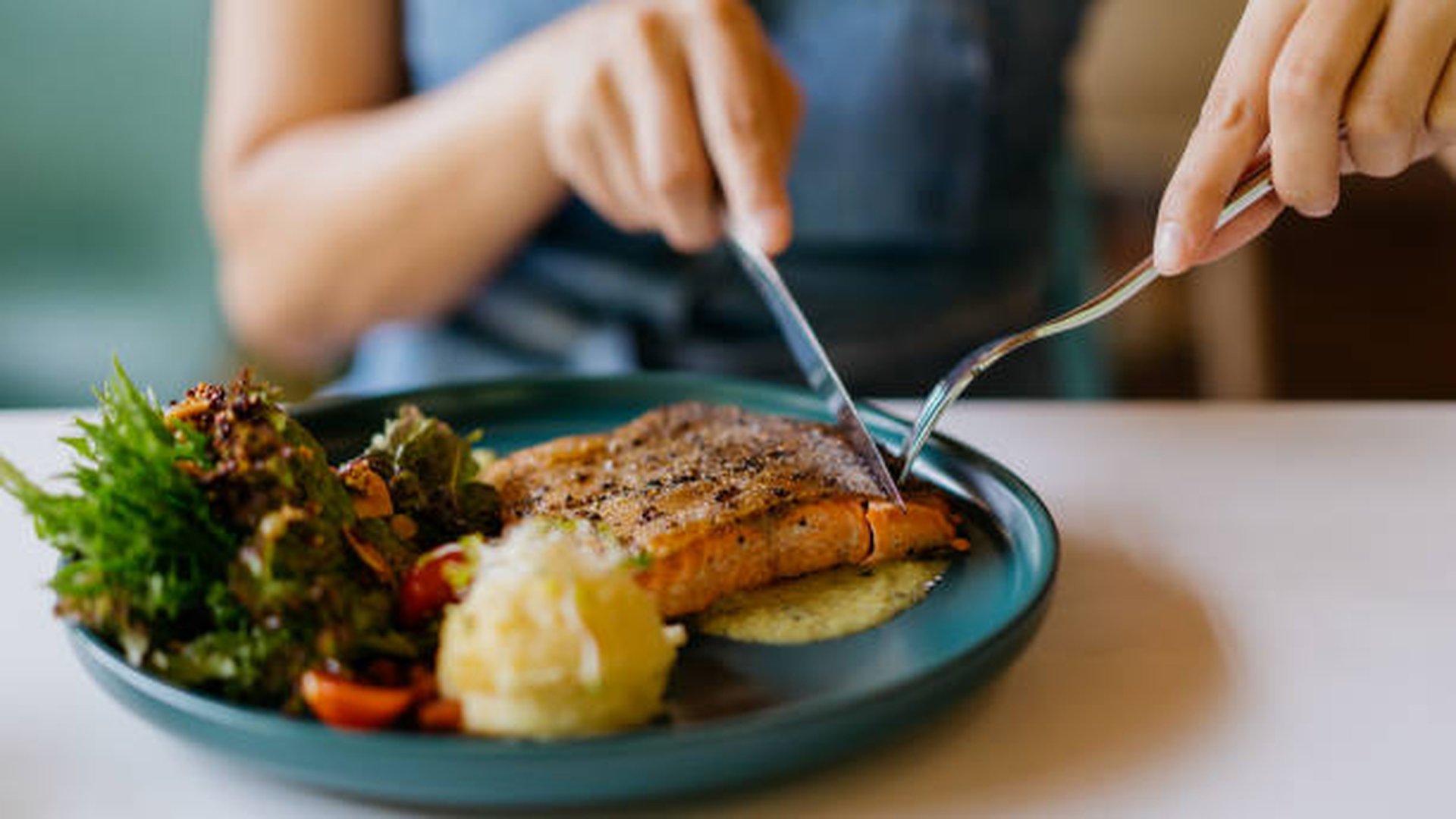
Dining Out on GLP-1 Medications: Your Complete Restaurant Survival Guide
Master the art of dining out while on GLP-1 medications. From menu navigation to portion control, learn practical strategies for enjoying restaurants without compromising your weight loss journey.
Before You Go: Planning Ahead
Success at restaurants starts before you leave home. GLP-1 medications significantly suppress appetite, but planning ensures you can enjoy the social experience without discomfort or overeating.
Review Menus Online: Most restaurants post menus with nutrition information. Look for grilled proteins, vegetable-based dishes, and items that can be customised. Identify 2-3 options before arriving to avoid decision fatigue.
Timing Matters: For weekly GLP-1s, days 4-7 after injection typically have fewer side effects. Schedule special dining occasions during this window when possible.
The Pre-Restaurant Snack Strategy: Counterintuitively, having a small protein snack (Greek yogurt, hard-boiled egg) 30-60 minutes before dining can prevent overordering due to intense hunger and helps with portion control once seated.
Portion Control Strategies
Restaurant portions are typically designed for people with normal appetites—often 2-3 times what you need on GLP-1 medications:
The Takeaway Container Method: Request a container when your meal arrives and immediately pack half before eating. This prevents the "finish your plate" mentality and provides 2-3 additional meals.
Eat Slowly and Mindfully: Put your fork down between bites, chew thoroughly (20-30 times), and engage in conversation. This gives your body time to register fullness signals from the GLP-1 medication.
Stop at Satisfied, Not Full: GLP-1s create early satiety. Learn to recognise satisfied (no longer hungry) versus full (uncomfortable). Stopping at satisfied prevents nausea and digestive issues.
The Quarter Plate Rule: Visualize your plate in quarters: half should be vegetables, one quarter protein, one quarter complex carbohydrates. This ensures balanced nutrition in smaller portions.
Cuisine-Specific Guidance
Different cuisines present unique opportunities and challenges. Here's how to navigate popular restaurant types:
Italian Restaurants: Choose grilled fish or chicken piccata over pasta-heavy dishes. Request appetizer-sized pasta portions or share a main. Avoid cream-based sauces; opt for tomato-based or olive oil preparations. Limit bread consumption before the meal.
Asian Cuisine: Steamed dishes, stir-fried vegetables with lean protein, and broth-based soups are excellent choices. Request sauce on the side and specify light oil. Avoid deep-fried appetizers and heavy rice portions. Sushi and sashimi are generally well-tolerated.
Mexican Restaurants: Build a bowl with grilled protein, black beans, salsa, and vegetables. Skip the tortilla or limit to one small corn tortilla. Choose fajitas over burritos. Request pico de gallo instead of sour cream and cheese.
Steakhouses: Order the smallest steak cut available (6oz or petite filet). Load up on vegetable sides—grilled asparagus, roasted Brussels sprouts, side salads. Avoid creamy potato dishes and bread baskets.

Sophie Hartwell
Lead Nutritionist • RD, MSc
Sophie Hartwell is a registered dietitian with a master's degree in clinical nutrition, specialising in nutritional support for weight loss medication users.